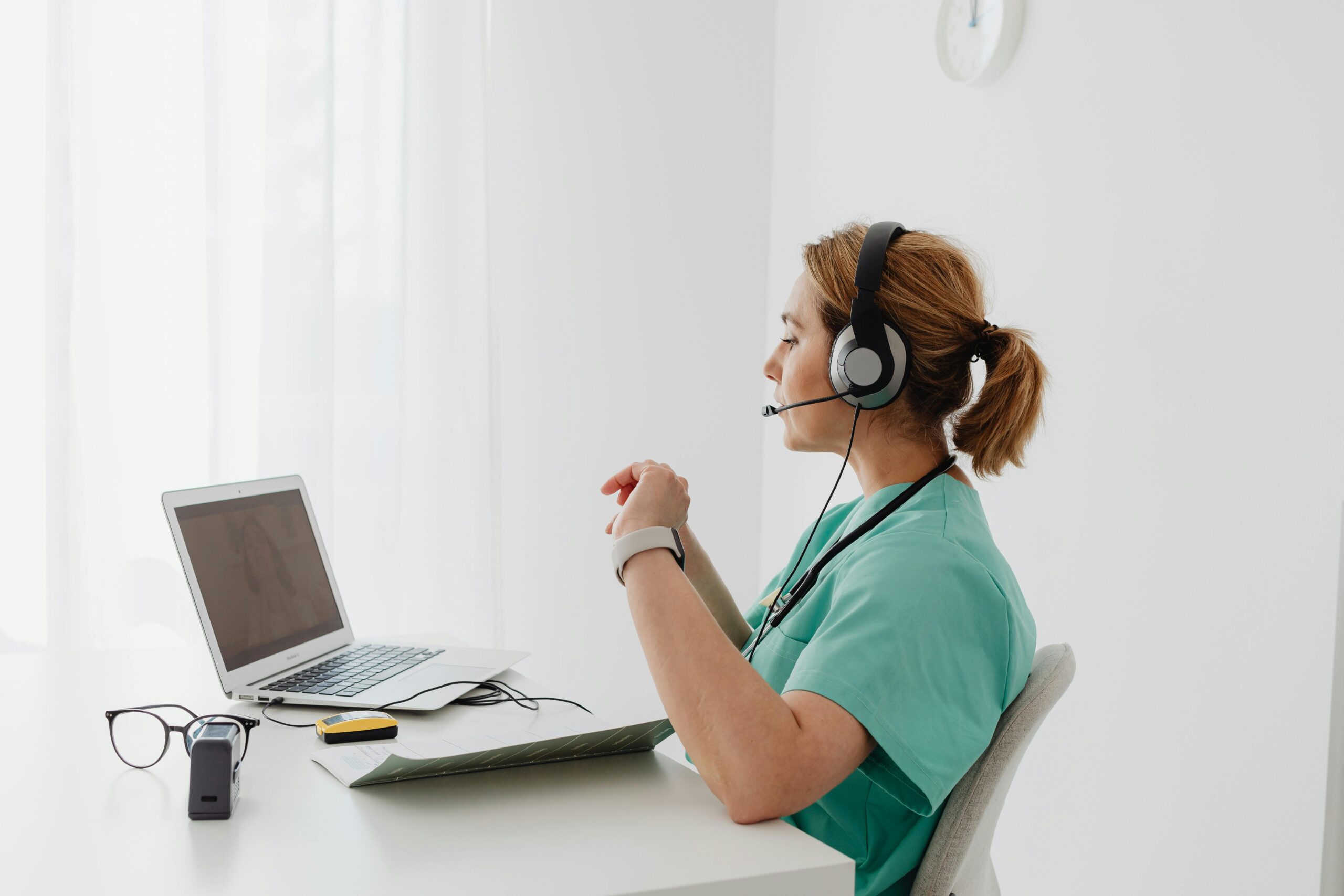
Medical Technology Is Becoming Your Personal Health Guardian: And Most People Don’t Even Notice
Remember when going to the doctor meant sitting in a waiting room for hours? You’d finally see the doctor for ten minutes, and that was your only real health check for months. Yet today, your phone might know more about your health than your doctor does. In fact, medical technology is silently becoming the most important part of your healthcare. Moreover, most people have no idea how much this is changing everything.
The Invisible Revolution Happening Right Now
Think about what’s in your pocket or on your wrist. If you have a smartphone or smartwatch, you’re carrying a medical device. Therefore, you might already be tracking your heart rate, sleep patterns, steps, and calories without even thinking about it. Because of this, you have data about your health that previous generations could only dream of. In other words, the revolution in medical technology isn’t flashy or obvious. Rather, it’s quiet and personal.
Consider how different healthcare was just ten years ago. You had to call a doctor’s office, wait days for an appointment, and then spend time getting there. However, today you can video call a doctor from home in minutes. Furthermore, you can monitor blood pressure, blood sugar, oxygen levels, and dozens of other health markers at home. Thus, the barrier between you and your health information has completely disappeared.
Additionally, this shift is huge. In the past, you only knew something was wrong when it got bad enough to notice. Now, technology can warn you before problems start. For instance, your smartwatch might notice your heart rate is irregular before you feel anything wrong. Consequently, you can see a doctor early when treatment is easier. In the same way, tracking your sleep might reveal that exhaustion isn’t laziness. Rather, it’s a sleep disorder that needs fixing.
You’re Now Your Own Health Detective
Here’s what really changes with medical technology: you have information. In the past, doctors held all the knowledge. You had to trust them because you didn’t have data about yourself. However, now you can track everything. Therefore, you become a partner in your own healthcare instead of just a patient following orders.
This matters because it changes how you think about health. When you see your own data, you notice patterns. For example, maybe you see that your energy drops after eating certain foods. Subsequently, you can experiment and find out what actually works for your body. Moreover, you can bring this information to your doctor. In other words, you’re not just describing symptoms anymore. Rather, you’re showing evidence.
Furthermore, this empowers people who historically didn’t get good care. Perhaps your pain was dismissed by doctors. Yet now you can track it and show clear evidence. Or maybe you suspected a health problem but couldn’t prove it. Now you have data. Thus, medical technology is democratizing healthcare. In the same way, it’s giving regular people tools that were once only available to doctors and hospitals.
Technology Is Making Medicine More Personal
Here’s the big shift that’s happening. Medicine used to be one-size-fits-all. Your doctor would give you the same treatment as the next person with the same diagnosis. However, technology is changing that. Now, treatments can be personalized to your body, your genes, and your specific situation.
Consider how this works. A hospital might use AI to analyze thousands of patient records. As a result, it can predict which treatment will work best for your specific condition. Furthermore, genetic testing is becoming cheaper and more common. Therefore, doctors can now tailor treatments to your DNA. In addition, wearable devices can adjust in real time based on what your body is telling them. Thus, medicine is becoming personal instead of generic.
For instance, two people with diabetes might need completely different treatment plans because their bodies respond differently. By and large, technology helps doctors see these differences. Consequently, you get a plan made for you, not a copy of everyone else’s plan. Moreover, this leads to better results because treatment actually matches your body.
The Connection Between You and Your Care
Now here’s something important that people miss: technology isn’t replacing doctors. Rather, it’s making the connection stronger. Your smartwatch isn’t trying to be a doctor. In the same way, video calls with doctors aren’t meant to replace real appointments. Instead, technology is filling the gaps and doing the routine work.
Think about it this way. Your doctor used to spend time asking you questions to understand what’s happening. Now, wearable data shows them directly. Therefore, they can spend that appointment time actually helping you instead of gathering basic information. Furthermore, they can notice trends in your data that you might miss. As a result, the conversation is deeper and more helpful.
Additionally, medical technology lets doctors see you more often without you having to sit in waiting rooms. You can share updates regularly. Consequently, your doctor knows how you’re doing between visits. In the same way, if something goes wrong, they can respond faster. Thus, technology doesn’t remove the human touch. Rather, it enhances it by giving doctors better information and more time to actually care.
What This Means for Your Future
The healthcare you’ll experience ten years from now will be completely different from today. Because of this, understanding medical technology now helps you be ready. For example, more people will use telemedicine. Therefore, you should get comfortable with it. Moreover, your health data will become increasingly important. Thus, you should start tracking things that matter to you.
Furthermore, this revolution is moving fast. Artificial intelligence is starting to read X-rays better than humans. In addition, robots are helping with surgery. Additionally, machines are discovering new medicines. Yet the focus is still on making medicine better for people, not replacing them. Therefore, technology serves humans, not the other way around.
Additionally, consider that this technology helps catch problems early. Early detection saves lives. For instance, a smartwatch that notices an irregular heartbeat might prevent a stroke. Consequently, that simple device could save your life. In the same way, a home blood pressure monitor might catch hypertension before it causes damage. Thus, the invisible revolution is actually a lifesaving revolution.
Taking Control of Your Health Story
So here’s what you should do. First, embrace the technology that makes sense for your life. Second, use it to understand your body better. Third, share that information with your doctor. As a result, your healthcare becomes a partnership. Moreover, you’re no longer passive. Rather, you’re active in your own health story.
Additionally, stay curious about new tools. The technology keeps improving. Furthermore, new devices come out regularly that might help you. However, choose tools that actually matter to you, not just every gadget available. In the same way, quality of data matters more than quantity. Thus, tracking five things well beats tracking twenty things poorly.
To dive deeper into how medical tech is becoming your personal guardian, explore the invisible revolution in medical technology. This article breaks down all the ways technology is changing healthcare. Furthermore, if you want to understand how technology brings the human touch back to medicine, read about how digital health is making medicine more personal. It shows why technology and human care work better together.
For reliable information about health tech, the FDA’s medical device database explains what devices are approved and safe. Additionally, the American Medical Association offers resources about how technology is changing healthcare and what to expect.